Packt · 2017 · Author
Comprehensive Ruby Programming
From beginner to confident programmer
By Jordan Hudgens
Books and courses are one part of the work. At Bottega University, I built the onboarding, observation, clearance and ongoing-development system for instructors, alongside the tools that supported it.
Figures as of October 2026, not live counters. The Udemy rating is an instructor rating.
01Published work
Packt · 2017 · Author
From beginner to confident programmer
By Jordan Hudgens
Packt · 2021 · Co-authored
A practical guide to confident, effective TypeScript programming
By Ben Grynhaus, Jordan Hudgens, Rayon Hunte, Matt Morgan, Wekoslav Stefanovski
02Bottega University
Eight years as CTO and lead instructor, leading up to 25 developers, instructors and support staff.
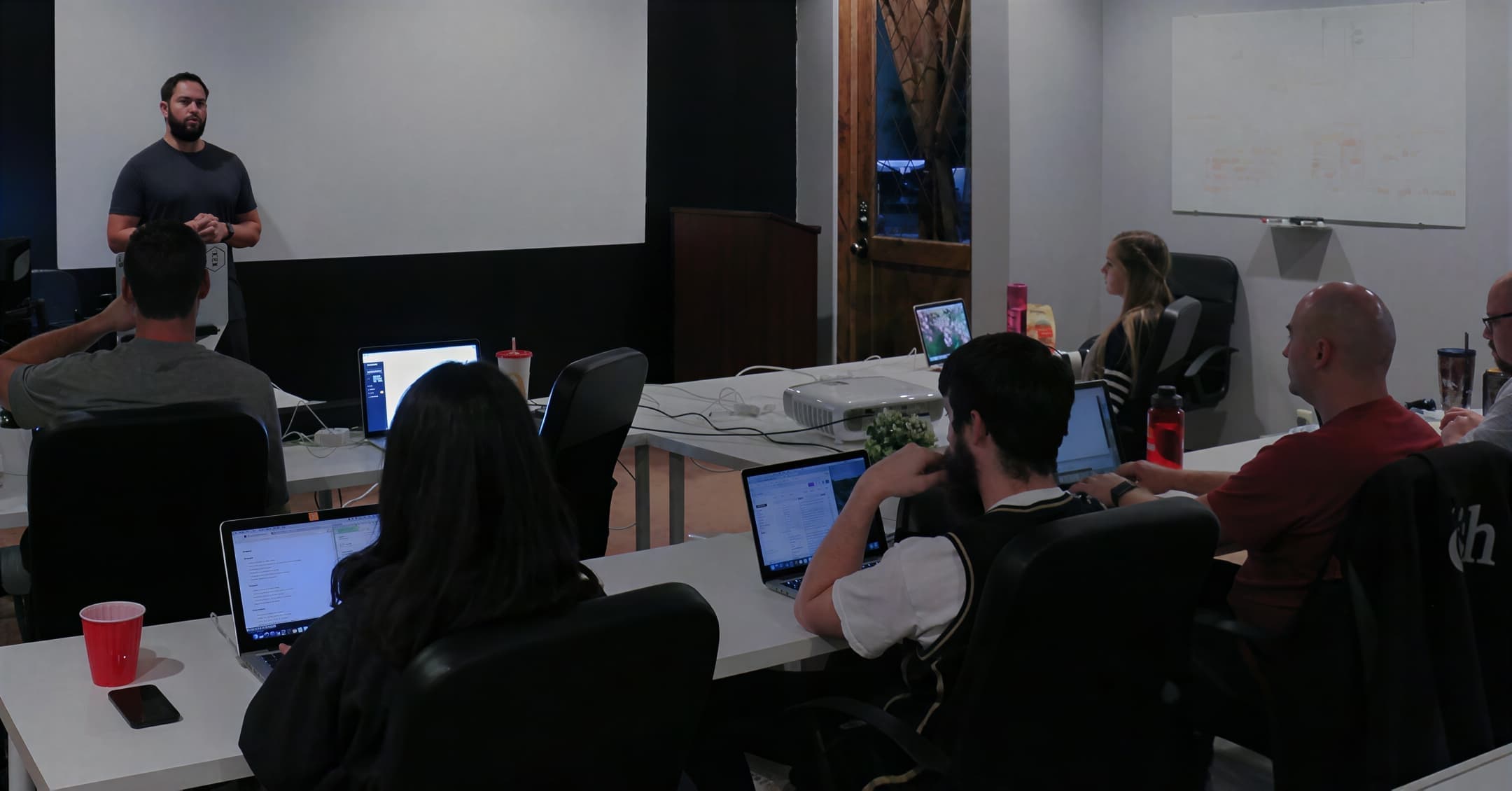
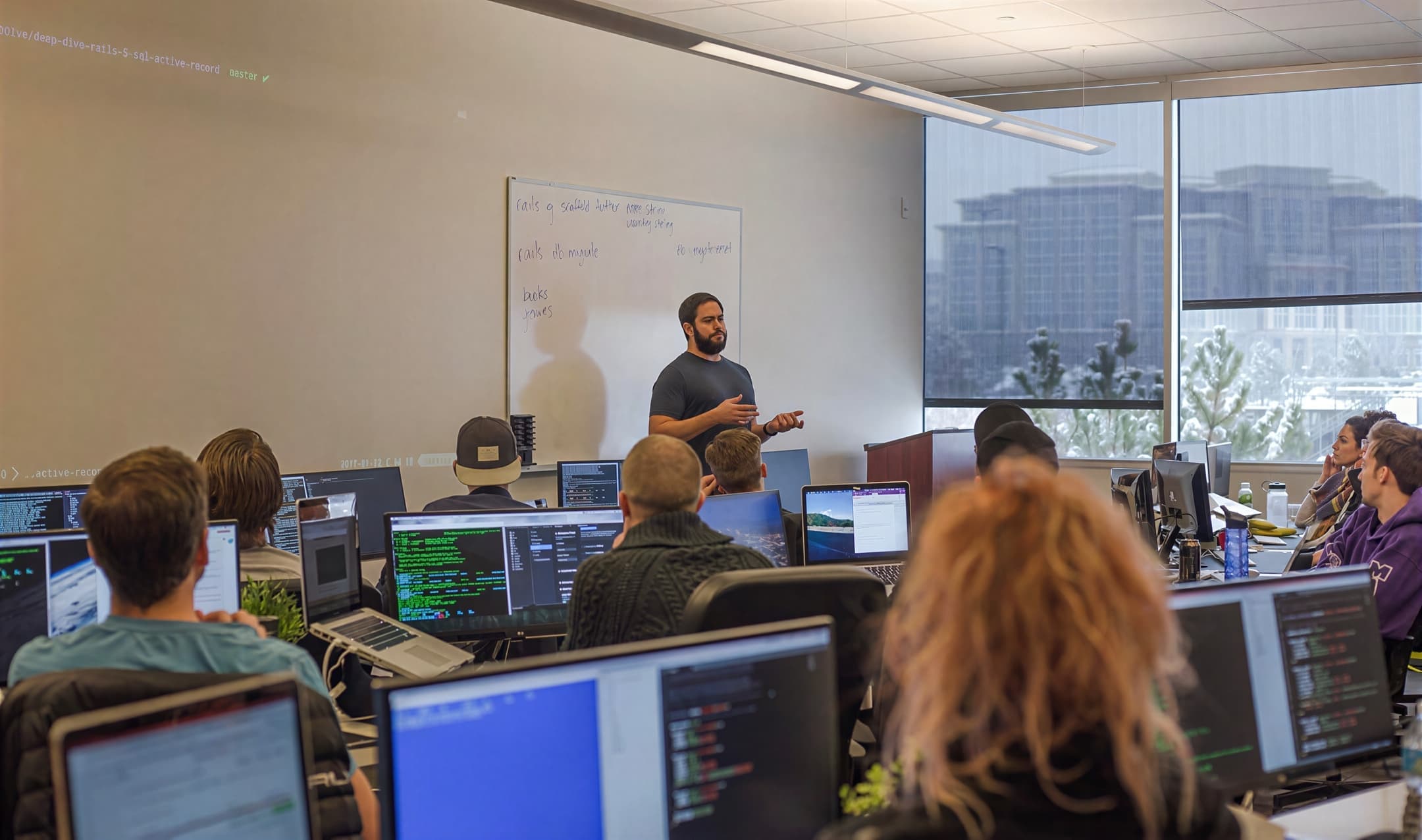
I built the full onboarding course set covering teaching methodology and coursework, grounded in pedagogy and rubrics, and required onboarding before someone taught. I owned teaching observations, dry runs and a formal cleared-to-teach rubric.
I managed all instructors, including contract instructors, and owned hiring, performance reviews and contract-renewal decisions. I built the ongoing portal for instructors and support staff, added custom training and visibility applications, and ran weekly training and review meetings.
Jordan built the full onboarding course set covering teaching methodology and coursework, grounded in pedagogy and rubrics. Onboarding was required before someone taught, and covered instructors and support staff.
At Bottega University, Jordan owned teaching observations, dry runs and a formal cleared-to-teach rubric, alongside weekly training and review meetings. These were formal quality processes, not an externally issued instructor credential or a monthly pass-rate metric.
Jordan built the ongoing portal for instructors and support staff, added custom training and visibility applications, and ran weekly training and review meetings. The tools supported ongoing education and communication.
At Bottega University, Jordan managed all instructors, including contract instructors, and owned instructor hiring, performance reviews and contract-renewal decisions. The mixed team of up to 25 developers, instructors and support staff is not an instructor-only count.
03Scale and outcomes
Curricula used by 250,000+ learners across platforms and schools.
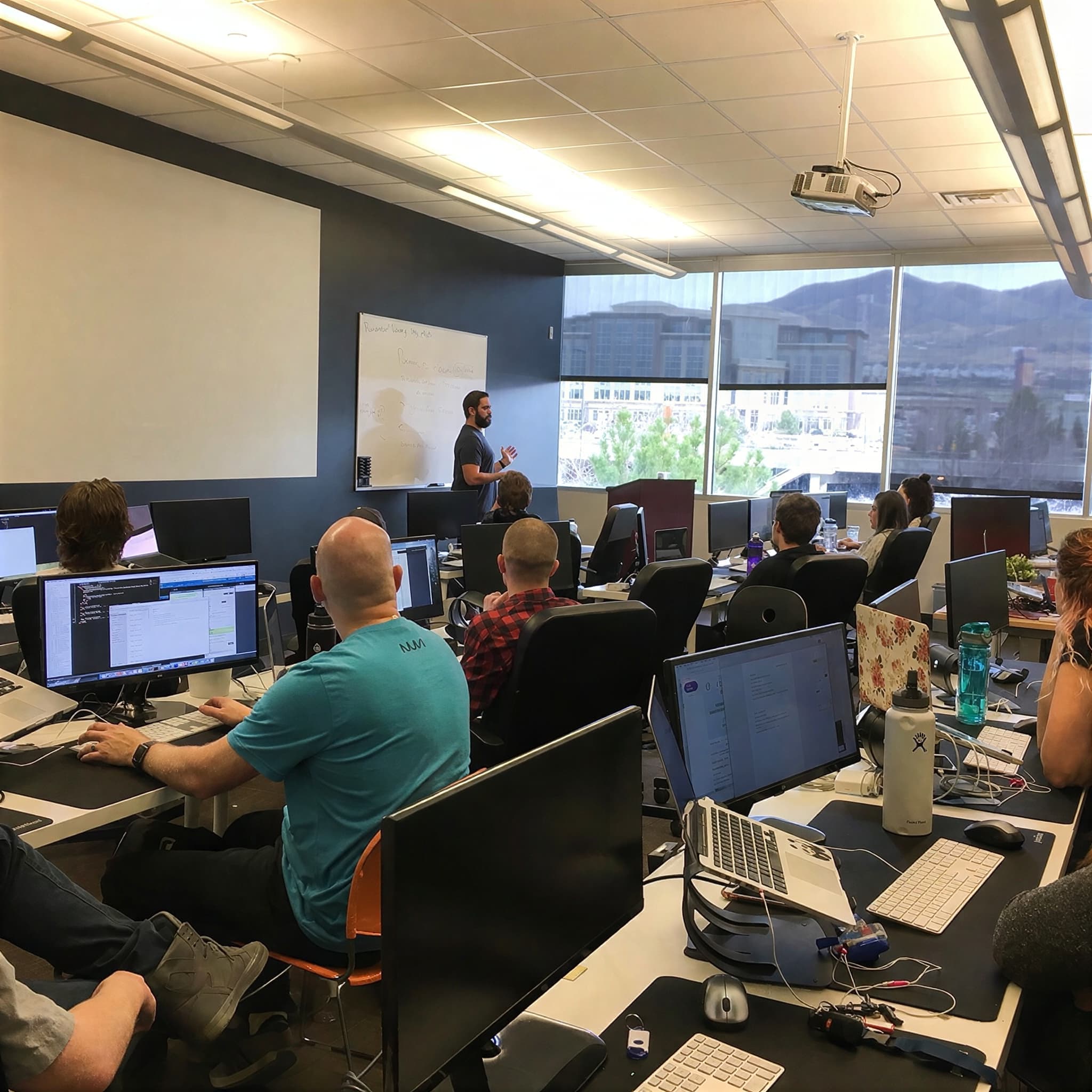
Across DevCamp/Bottega and Udemy, I taught several thousand engineers live, with cohorts ranging from roughly a dozen to hundreds.
Separately, DevCamp/Bottega graduate career-tracking data recorded starting salaries of $50K–$60K.
Historical tracked outcomes; not a promise for every graduate or a current market salary.
04Developer community
He would start where developers already learn. In Stack Overflow’s 2025 Developer Survey, 67.8% of respondents used technical documentation to learn to code, more than any other online resource. Each supported language would get its own quickstart, and he would track the time from install to a developer’s first useful result.
He would turn real problems from power users into co-authored investigations, tutorials, video walkthroughs, workshops and conference talks, each with measured before-and-after results. For an AI platform, that evidence matters: in the same survey, 46% of developers said they distrust the accuracy of AI tools, while 33% said they trust it.
He would build events around one shared, measurable problem: challenges, workshops and meetups, co-hosted with the teams behind adjacent developer tools. Gunnar Morling’s One Billion Row Challenge, a single performance problem with a public leaderboard, drew 164 submissions and 587 pull requests in January 2024.
He would prepare community members to give talks and lead workshops with the system he built for instructors at Bottega University: onboarding, dry runs, observation and a clearance rubric. The community would then have many teachers instead of depending on one advocate.
Tech leaders would get a smaller, separate room: peer roundtables, customer case studies and opt-in, aggregated findings they can take back to their teams. Engineers would get hands-on spaces, and leaders would get evidence for decisions about adoption.
He would measure activated projects, time to first useful result, returning contributors, community-sourced pipeline and product feedback that ships. Member counts and impressions would be context, not goals.
The approach comes from Jordan’s own teaching in public. His edutechional YouTube channel has 41.9K subscribers and 10M views, his 16 Udemy courses have 111K students, and his curricula have been used by 250,000+ learners. He has taught several thousand engineers live, written three Packt books and spoken at conferences such as RubyHACK 2018.
05Udemy courses
Udemy
Build responsive websites with HTML and CSS.
Udemy
Ruby programming, including object-oriented programming and testing.
Udemy
Proposals, clients and project management for independent work.
06Teaching workshop · 2021
A live React workshop shows the process at the keyboard. This is an archival teaching sample from 2021.
An archival live workshop with starter and completed code, showing how Jordan works through a React implementation.
YouTube loads only when you choose to play.
Watch on YouTube07Projects
 Project 01Bottega University: Instructor Onboarding, Teaching Quality & DevelopmentRequired onboarding, observed teaching, formal clearance and ongoing instructor development at Bottega University, led by Jordan Hudgens.
 Project 05Technical Education at Scale: Books, Courses & Live InstructionJordan Hudgens’ books, courses, workshops and live teaching: three Packt books and curricula used by 250K+ learners across platforms.
 Project 03DevCamp: Learning Platform, Curriculum & Engineering LeadershipDevCamp: education software, web and mobile applications, a PaaS LMS and the 2018 $5M stock acquisition by Bottega University.
 Project 07Encapsa: Customer AI Training & Internal Developer EnablementCustomer instruction during every Encapsa deployment, ongoing training and internal developer enablement alongside Jordan Hudgens’ production AI work.
Ask Jordan
Books, instructor preparation, live teaching and where to watch.
Prefer a conversation? Email me@jordanhudgens.com.
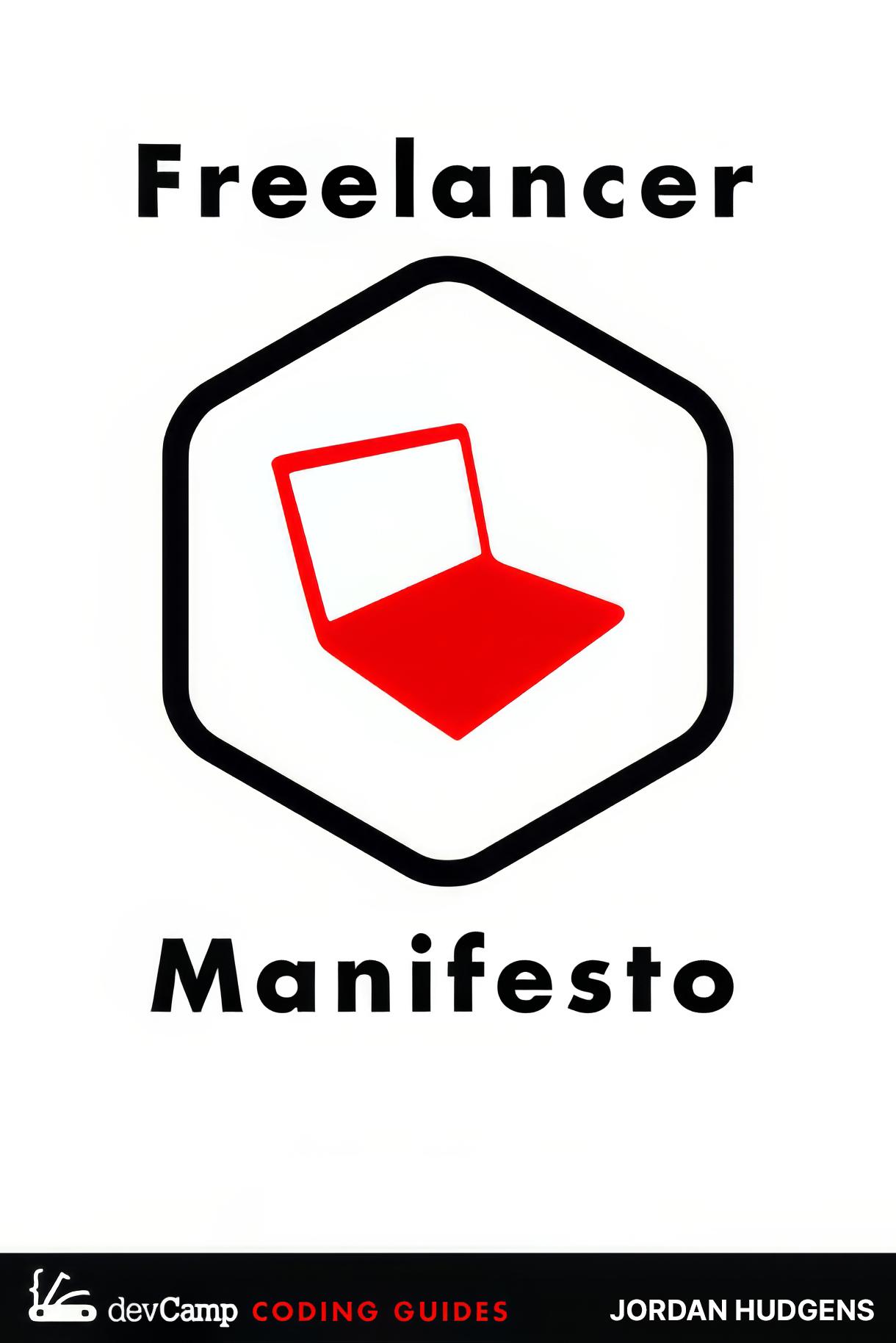
Jordan wrote three Packt books, one co-authored: Comprehensive Ruby Programming, The TypeScript Workshop, and Skill Up: A Software Developer's Guide to Life and Career. The TypeScript Workshop keeps its co-author credits. He also self-published The Freelancer Manifesto on Leanpub, separate from Packt.
Instructors completed required onboarding covering teaching methodology and coursework before teaching. Jordan owned teaching observations, dry runs and a formal cleared-to-teach rubric, then supported ongoing development through a training portal, custom training and visibility applications, and weekly training and review meetings.
Jordan has taught several thousand engineers live across combined DevCamp/Bottega and Udemy work, with cohorts ranging from roughly a dozen to hundreds. Live instruction is a separate measure from curriculum reach of 250,000+ learners and Udemy enrollment of 111,045 students; the figures can overlap and are not added together.
This page links a live React workshop from Jordan’s @edutechional YouTube channel, which has 41.9K subscribers and 10M views, and the archival RubyHACK recording published by Confreaks. The technical education project adds a short, silent film of Jordan teaching in a classroom.
Jordan would make the first ten minutes succeed with a quickstart for each language, teach in public through real investigations, workshops and talks, gather people around shared challenges, prepare members to teach, give tech leaders their own room, and measure activated projects rather than member counts.
The production work continues at Encapsa.
Curricula used by 250,000+ learners across platforms and schools.
300+ live enterprise deployments across seven verticals.